Processing Samples & Safe Handling of Game


Processing Meat & Samples in a CWD Area
Proper Hygiene
Hunters and butchers that are processing game are reminded to wear personal protective equipment such as gloves, eyewear and aprons to limit contact with blood and tissues while cutting hunted meat. They are recommended to follow good handwashing and hygiene practices.
All equipment and utensils used in the processing of uninspected meat and meat products should be cleaned, washed and sanitized immediately after processing, and before being used for processing other meat. For more information, please refer to the BC Centre for Disease Control guidelines (PDF, 1MB).

Field Dressing
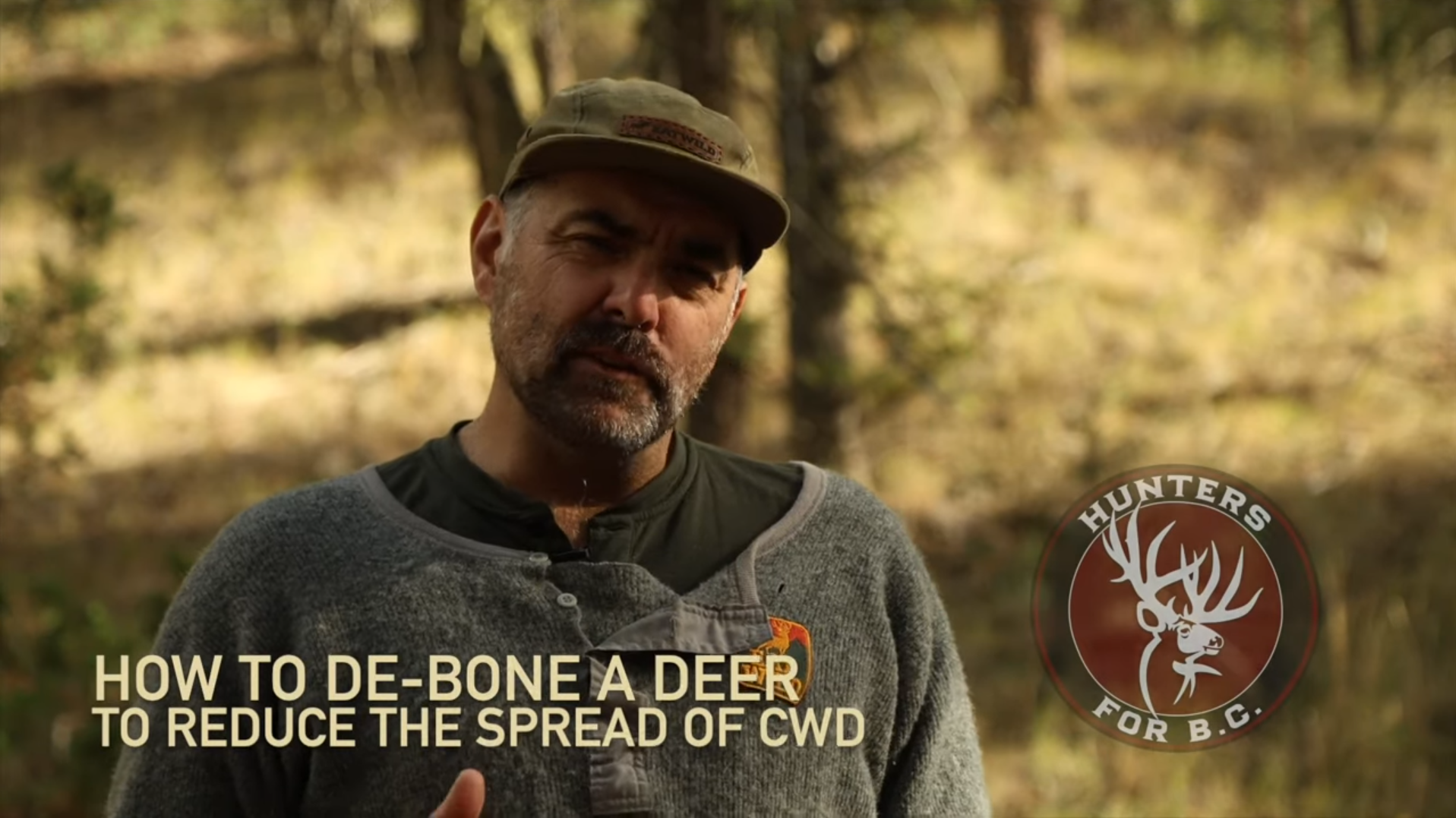
Hunters are advised to leave all non-usable portions of the deer in the field. Leaving carcasses where the animal was dropped reduces to chances of CWD being transported outside of the management unit. Historically, hunters have simply gutted deer and transported the carcass to their butcher for processing, or transported the whole carcasses to a second location to process the animal. This is inadvisable as moving a CWD carcass to a second location will spread the disease to the secondary environment. The method outlined above reduces your hanging weight at the butcher (reducing processing costs) and reduces the chances of CWD spreading to a secondary environment. While it is not mandatory, hunters can bury their carcasses to reduce the chance of CWD spreading locally through scavenging.
For more information on removing a cervid head for submission, see Ways to Submit Samples (PDF, 768).
Submit a Cervid Head
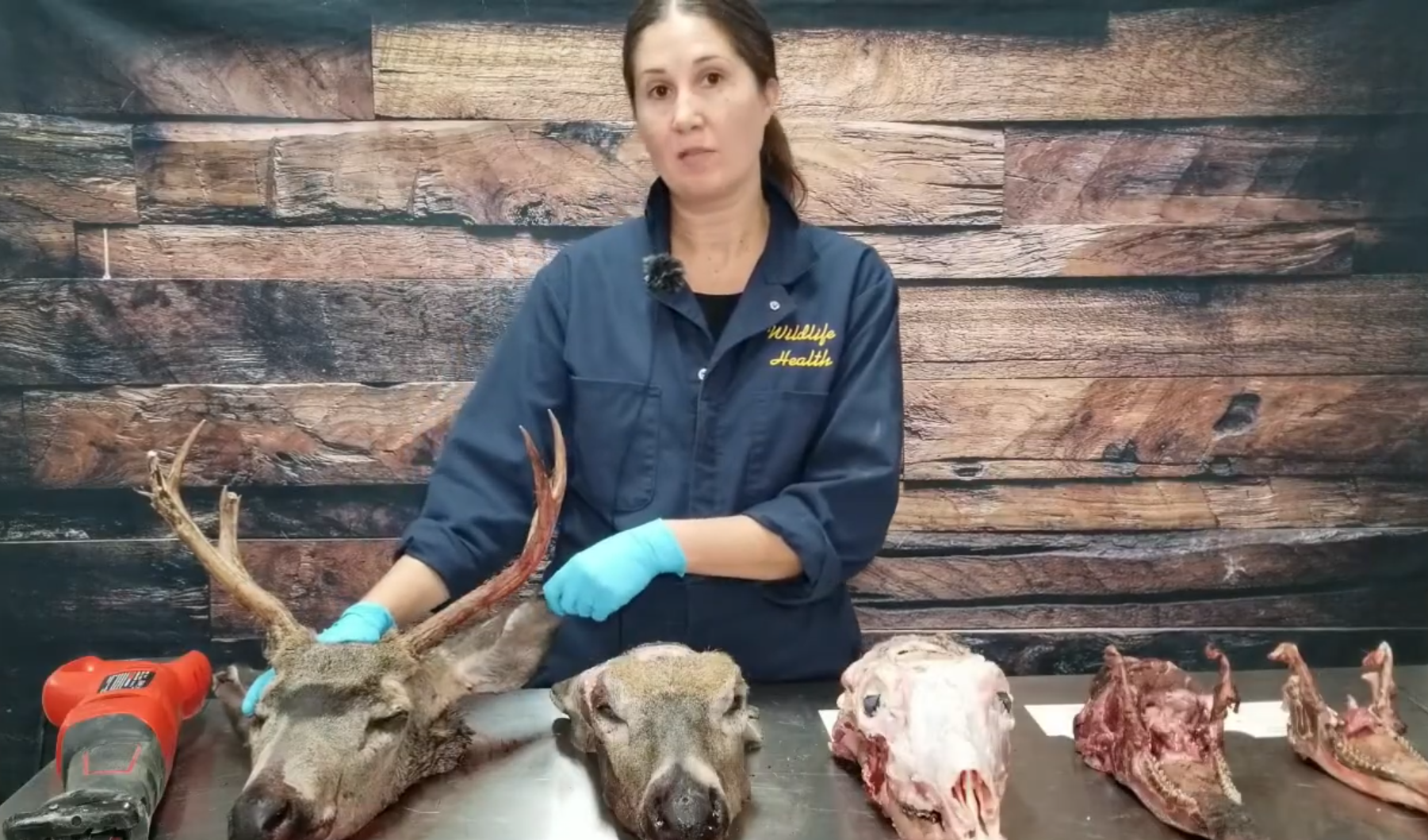
Instructions for submitting a CWD head sample:
- The head must be removed from the body, with at least three inches of neck still attached, to preserve the tissues at the back of the throat that are required for testing
- Antlers must be removed. If the animal is harvested in a restricted antler season, remove both antlers with the skull plate as one piece and keep them with the carcass. Also important to retain evidence of sex and species with the carcass when the head is removed
- Hunters are also encouraged to collect and submit tissues (tonsils, lymph nodes and obex/brain stem) on the animals they harvest if they prefer to retain portions of the head
- For European-style mounts for deer, the lower jaw with tissues of the back of the throat may be submitted
- For European-style mounts of elk and moose, the obex (brain stem) must be submitted in addition to the lower jaw or tissue at the back of the throat. Hunter can collect and submit the obex from the opening at the base of the skull
- The head can be fresh or frozen, but must be in good condition, preferably not shot in the head and not rotten. The head can also be skinned out
- Animals must be over 1 year of age. Animals under 1 year will not be tested
- An ear card (provided at freezer) must be completed and attached with a zap-strap (provided) to either the ear, the skull (if skinned) or the sample
- Record or take a photo of the unique ID on your CWD ear card. This ID can be used to look up the results of your sample online later
- Samples and ear cards must be placed in a garbage bag (provided) and the bag closed with a knot or zap-strap before being deposited in a freezer
For more information on removing a cervid head for submission, see Ways to Submit Samples (PDF, 768).
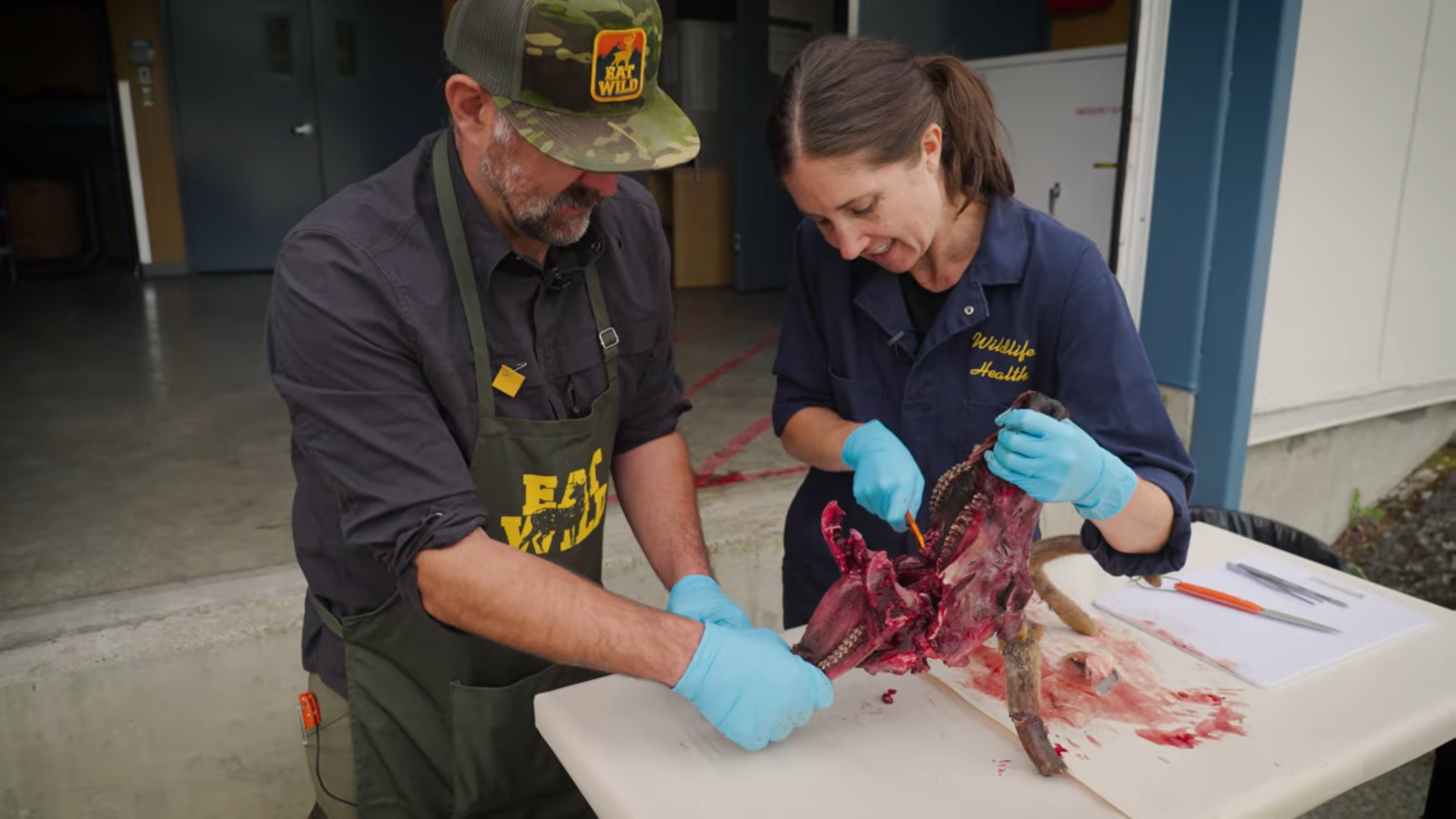
Instructions for submitting a CWD head sample:
- The head must be removed from the body, with at least three inches of neck still attached, to preserve the tissues at the back of the throat that are required for testing
- Antlers must be removed. If the animal is harvested in a restricted antler season, remove both antlers with the skull plate as one piece and keep them with the carcass. Also important to retain evidence of sex and species with the carcass when the head is removed
- Hunters are also encouraged to collect and submit tissues (tonsils, lymph nodes and obex/brain stem) on the animals they harvest if they prefer to retain portions of the head
- For European-style mounts for deer, the lower jaw with tissues of the back of the throat may be submitted
- For European-style mounts of elk and moose, the obex (brain stem) must be submitted in addition to the lower jaw or tissue at the back of the throat. Hunter can collect and submit the obex from the opening at the base of the skull
- The head can be fresh or frozen, but must be in good condition, preferably not shot in the head and not rotten. The head can also be skinned out
- Animals must be over 1 year of age. Animals under 1 year will not be tested
- An ear card (provided at freezer) must be completed and attached with a zap-strap (provided) to either the ear, the skull (if skinned) or the sample
- Record or take a photo of the unique ID on your CWD ear card. This ID can be used to look up the results of your sample online later
- Samples and ear cards must be placed in a garbage bag (provided) and the bag closed with a knot or zap-strap before being deposited in a freezer
For more information on removing a cervid head for submission, see Ways to Submit Samples (PDF, 768).
Tissue Sampling
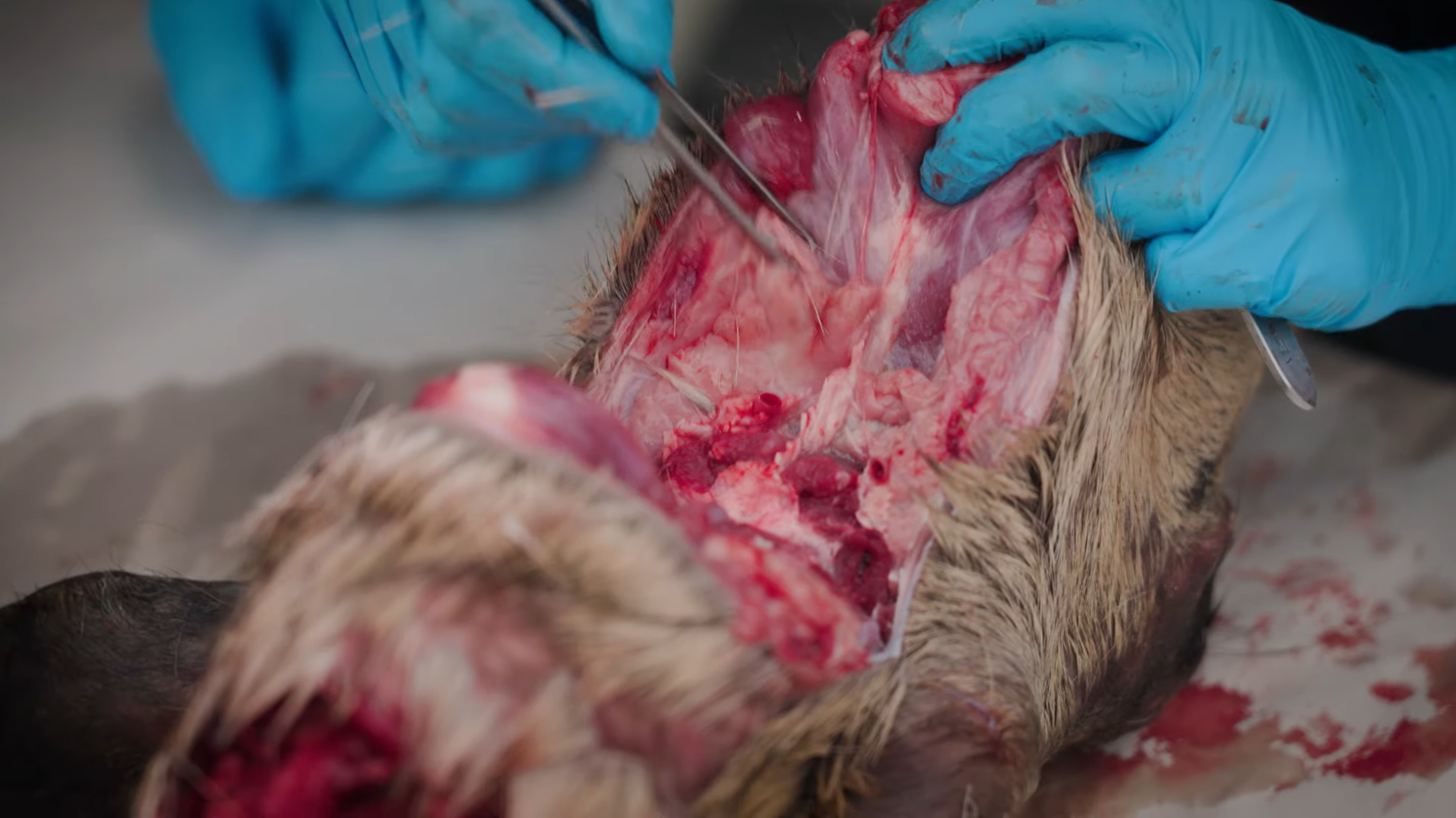
This video describes how to remove lymph nodes and tonsils in deer for chronic wasting disease testing in British Columbia. The video starts by demonstrating how to remove the head of the animal. It then shows where the tissues of interest are located and how to remove them. The final portion of the video demonstrates how to remove the lower jaw for submission if a European mount is desired.
For more information on removing a cervid head for submission, see Ways to Submit Samples (PDF, 768).
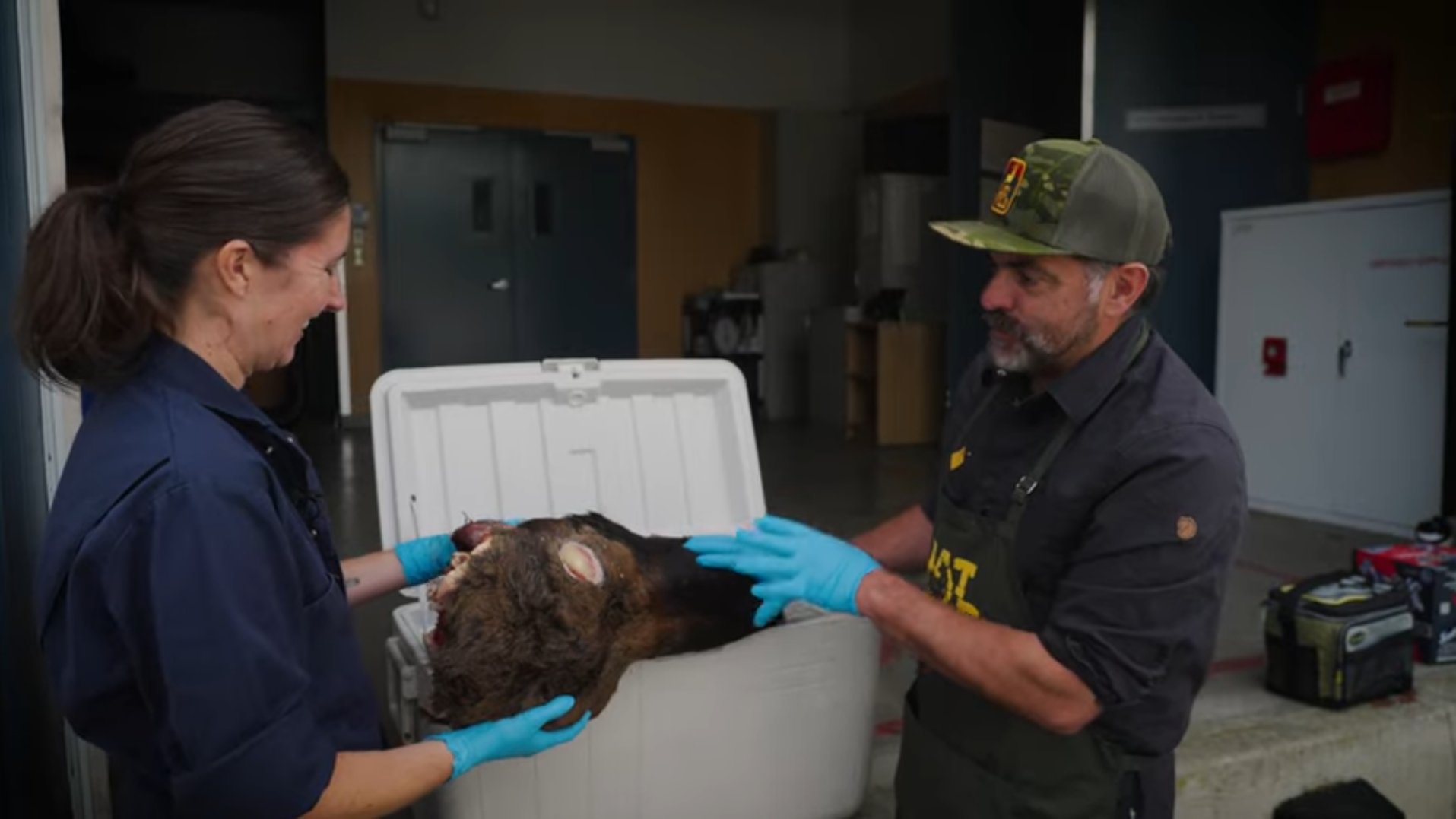
This video describes how to remove lymph nodes and obex in elk, moose and caribou for chronic wasting disease testing in British Columbia. The video starts by demonstrating how to remove the head of the animal. It then shows where the tissues of interest are located and how to remove them. The final portion of the video demonstrates how to remove the lower jaw for submission if a European mount is desired.
For more information on removing a cervid head for submission, see Ways to Submit Samples (PDF, 768).
Disposal of Carcasses
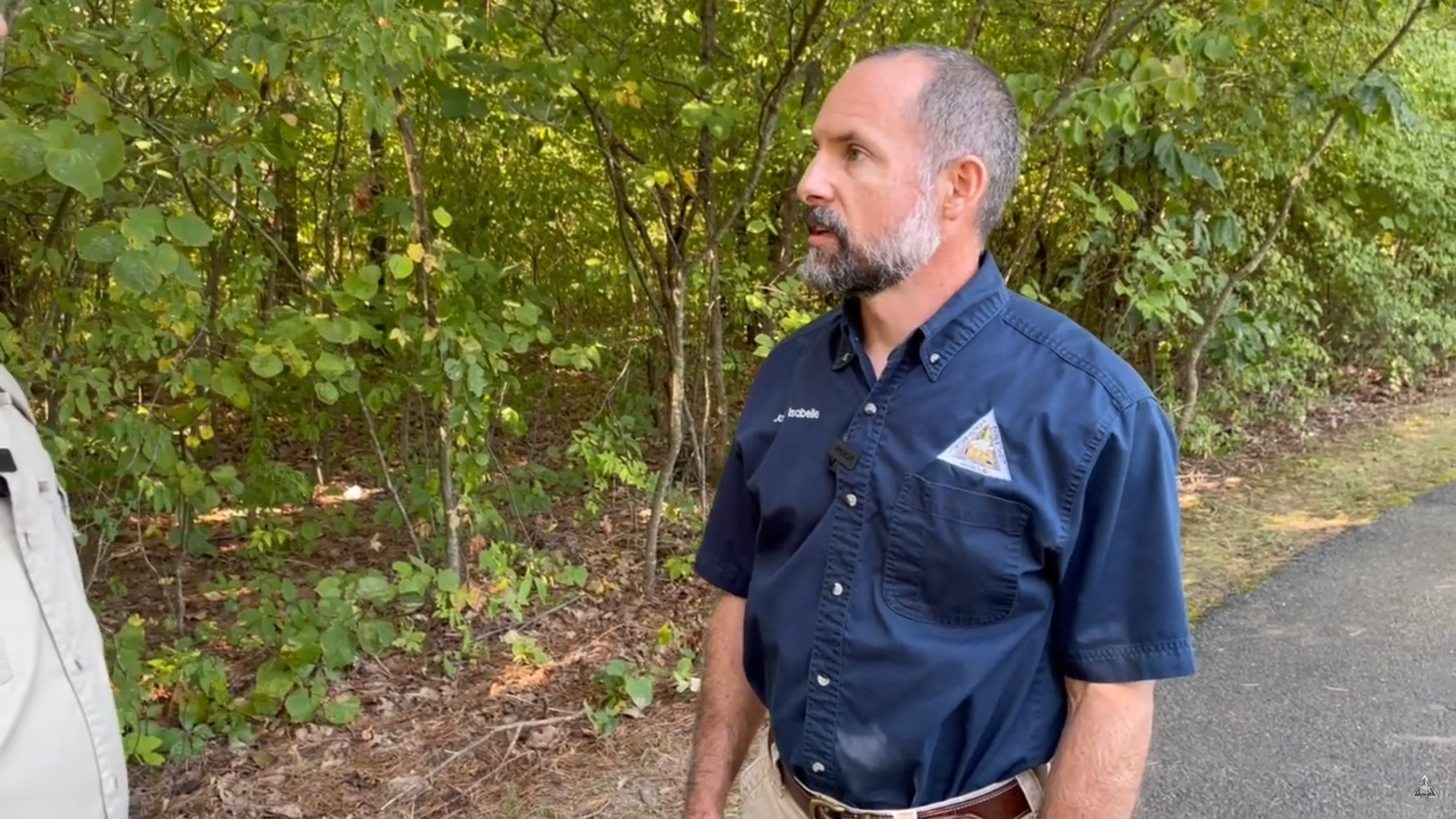
The video above was put together by the Missouri Department of Conservation. It outlines good general practices for handling the disposal of a carcass. The best way to dispose of a CWD carcass in BC is to bury the carcass on site. We do not recommend transporting the remains to a landfill at this time, as this can contribute to spreading the disease.
Designated disposal sites for road-killed cervids include the Central Regional Landfill – 600 Eager Hill Road or the Cranbrook Wildlife Office. To arrange drop-off at the Cranbrook Wildlife Office, contact Ken Walburger: ken.walburger@gov.bc.ca or 250-420-6371 (during business hours). The transport, disposal and use (for trapping) of road-killed cervids in the CWD Management Zone is regulated by the Chief Veterinary Officer under the authority of the B.C. Animal Health Act. A General Order CWD2024-002 (PDF, 255 KB) was issued in September 2024 and applies to the boundaries of the CWD Management Zone (PDF, 1.6MB), defined as MUs 4-1 to 4-8, and 4-20 to 4-25.
For more information on removing a cervid head for submission, see Ways to Submit Samples (PDF, 768).
Sample Testing
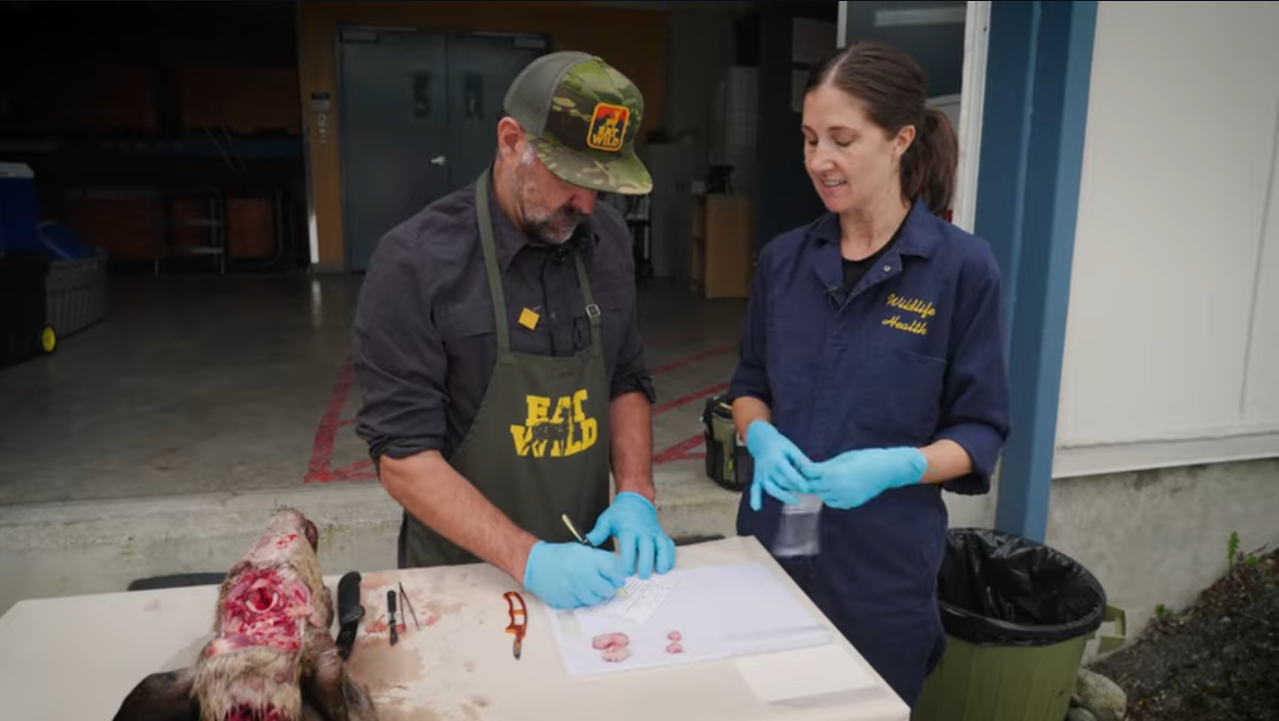
All results are posted to the results page, aside for positive cases. Positive cases are not displayed to respect the privacy of the submitter. Positive results are available in the Map of Positive Detections in B.C. (PDF, 931KB).
If a positive result is found, the hunter will be contacted directly and immediately. An investigation will be carried out to determine the location of the meat and carcass parts. The hunter will be advised not to consume the meat (based on public health recommendations) and arrange for proper disposal.
There is no legal obligation to turn in the meat. It is the hunter’s choice to turn in the meat of a CWD-positive animal. It is strongly recommended that the meat not be eaten and be turned in so that it can be properly disposed of in a licensed incineration facility or designated landfill. Proper disposal is critical to avoid environmental contamination.
For more information on removing a cervid head for submission, see Ways to Submit Samples (PDF, 768).
Have more questions? Check here for an answer!
FAQs
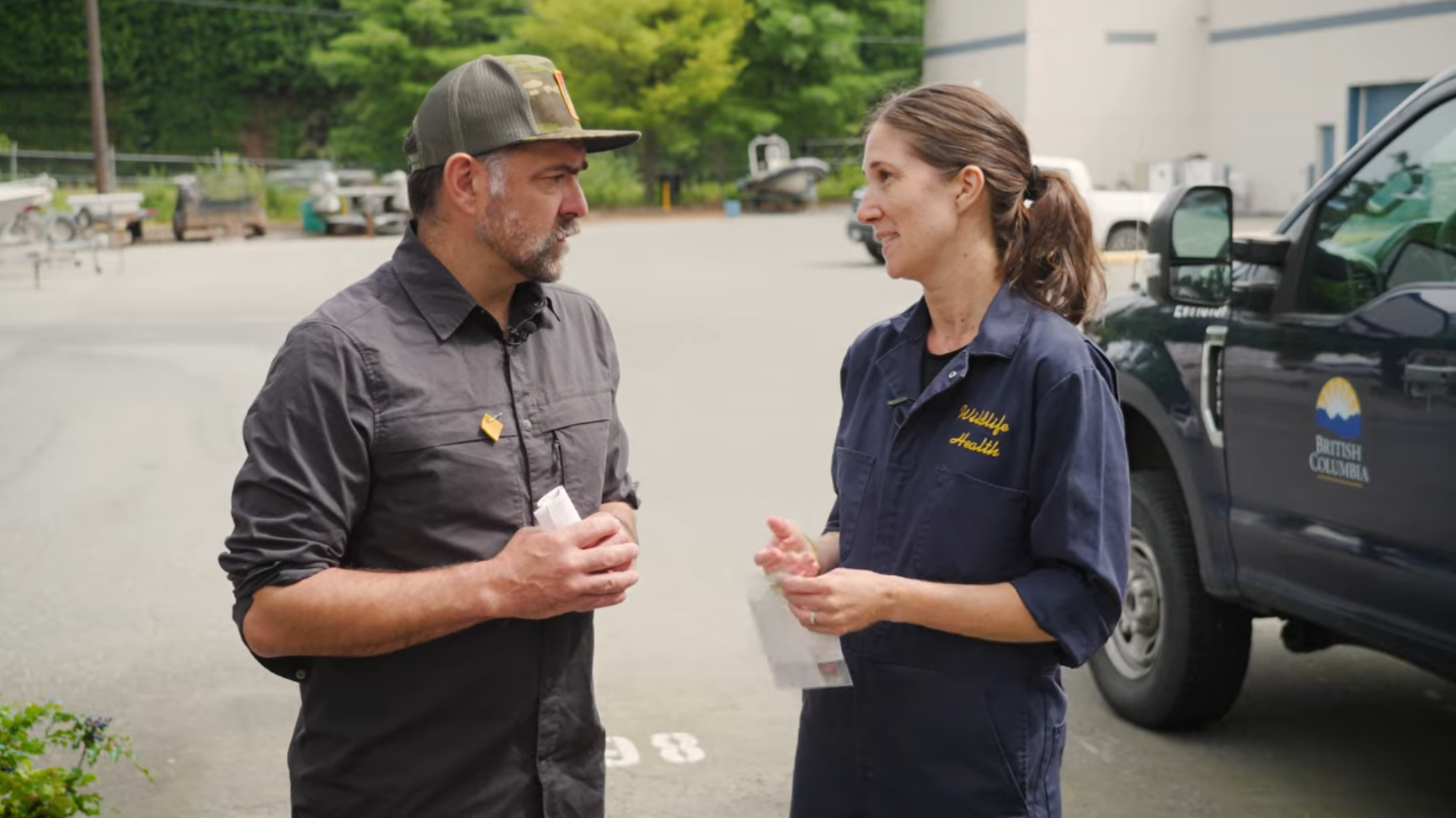
Have Questions? We have answers! Here are answers to our most commonly asked Chronic Wasting Disease questions.
For more information on removing a cervid head for submission, see Ways to Submit Samples (PDF, 768).
Have more questions? Check here for an answer!